What does the future of higher education look like in a world shaped by AI?
Artificial intelligence is no longer a future concept for universities. It is already reshaping research, teaching, and the student experience.
Recently, Compnow’s Higher Education team, alongside Apple, has been engaging with universities across Australia to explore a fundamental question.
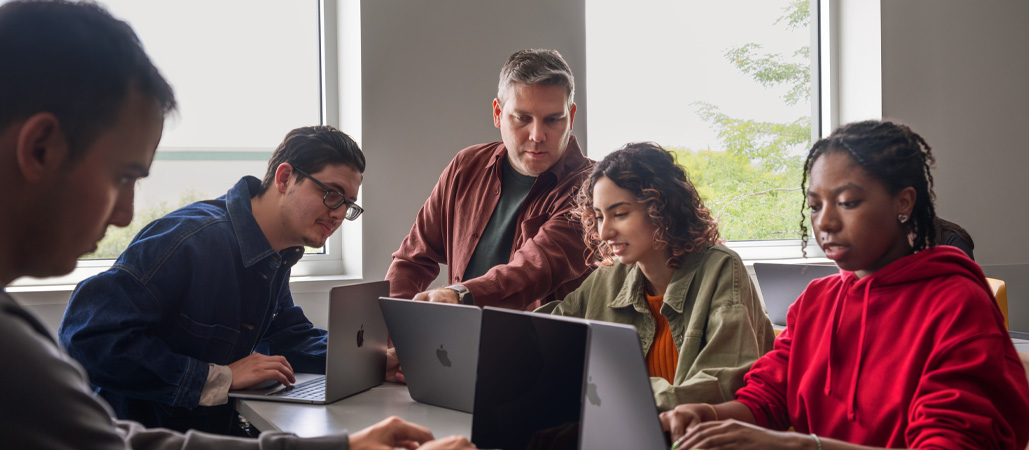
What does the future of higher education look like in a world shaped by AI?
A 19-year-old entering university in 2026 has never known a world without connected devices. By 2040, the next generation of students will not just be digital natives. They will have grown up in a world where AI is embedded into everyday life.
At the same time, the technology enabling this shift is evolving rapidly. With capabilities such as device clustering introduced in macOS 26.2, institutions now have new ways to bring powerful, localised AI infrastructure directly into teaching and research environments.
This raises an important challenge for institutions.
What exactly are we preparing students for?
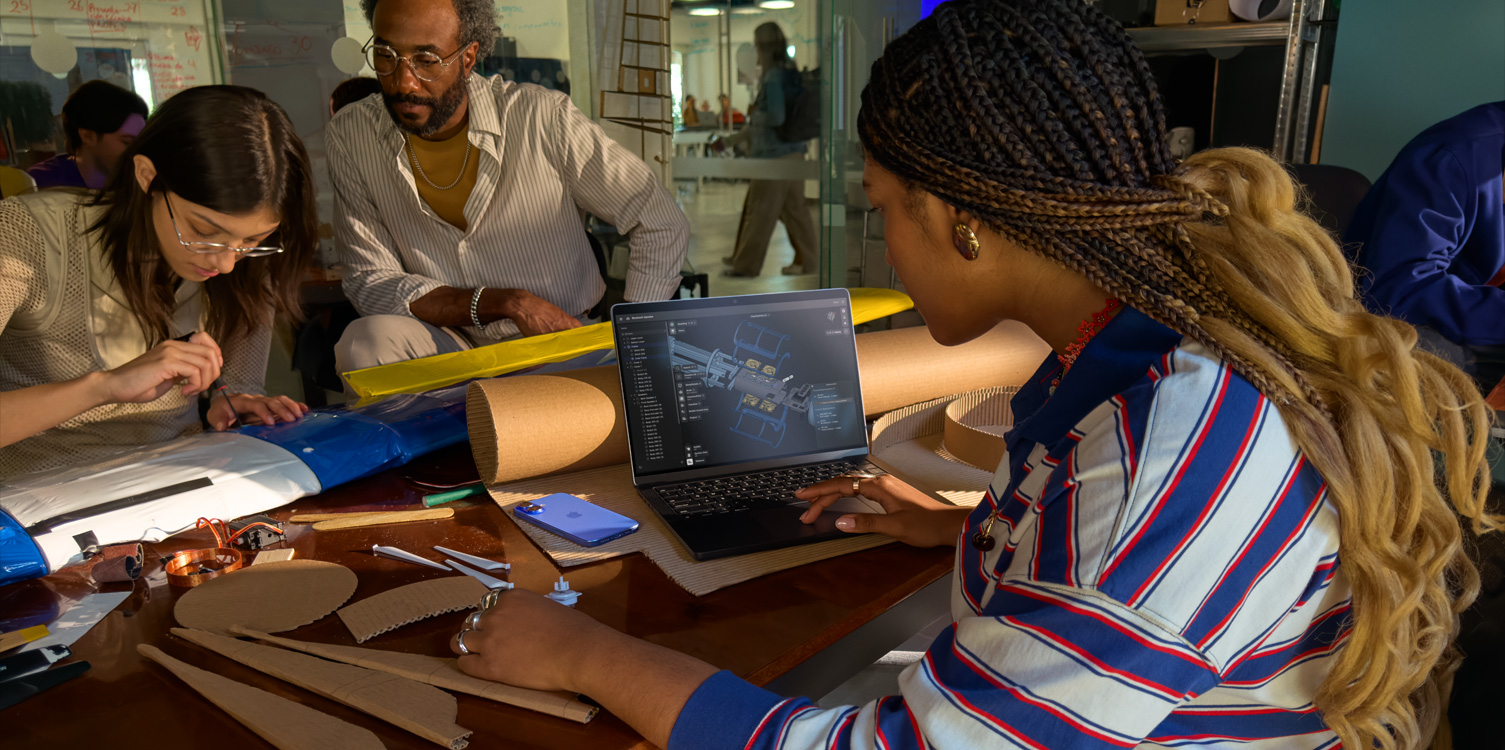
A New Approach to AI on Campus
Through a series of university workshops, Compnow has been working with institutions to demonstrate a new and highly practical approach to AI infrastructure.
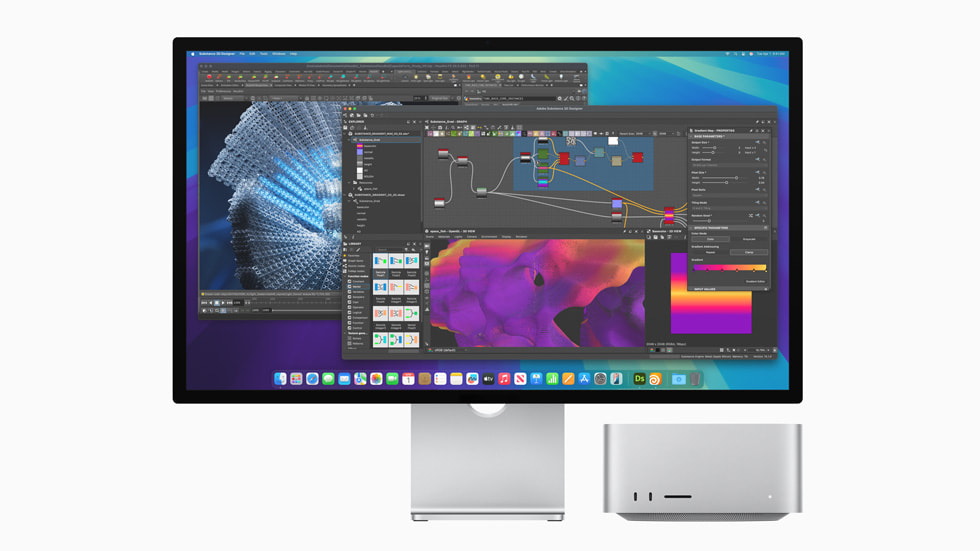
By clustering four Mac Studio devices together, universities can create a powerful, localised AI environment capable of supporting real-world workloads.
This approach shifts AI from something abstract and cloud-dependent into something tangible. Something students, researchers and academic teams can directly engage with.
As highlighted in recent research from Apple’s Omdia, Rethinking Critical AI Infrastructure, 2025 research, “many haven’t fully evaluated where on-device AI delivers measurable advantages.”
Rather than relying solely on centralised infrastructure or external platforms, AI capability can now sit much closer to where learning and research actually happen.
In labs. In faculties. In innovation spaces.
Not removed from the experience, but embedded within it.
From Concept to Capability
What makes this approach compelling is not just the performance, but the accessibility.
The ability to run advanced AI models locally changes how universities can think about experimentation, teaching and research. It removes barriers that have traditionally slowed adoption and opens the door to more immediate, hands-on engagement.
This is particularly important when considering real-world AI workloads. Omdia found that “57% of enterprise models are under 10 billion parameters” well within the capabilities of modern device-based infrastructure.
Within these workshops, a consistent theme has emerged. When AI becomes visible and interactive, it changes the conversation.
It moves from theory to application.
From interest to action.

Enabling a Different Kind of Learning
Higher education is already evolving in response to technological change.
While technical knowledge remains important, there is a growing emphasis on capabilities that extend beyond it. Skills such as critical thinking, creativity, collaboration and curiosity are becoming increasingly central to how students are prepared for the workforce.
This shift is already being reflected globally. As highlighted in the World Economic Forum’s Future of Jobs Report, “nearly 40% of skills required on the job set to change.”
AI does not replace these skills. It amplifies them.
As research continues to highlight, learners will need the human skills that AI can’t replicate such as empathy, judgment and collaboration.
By providing students with direct access to AI environments, universities create opportunities for exploration rather than instruction alone. Students are not just learning about models and outputs. They are testing ideas, challenging assumptions and understanding how these systems behave in real scenarios.
This kind of interaction builds confidence. It builds context. It builds capability.
From Workshop to Real Outcomes
These workshops are designed to do more than demonstrate technology. They are intended to help universities translate possibility into practical next steps.
Across each engagement, the focus is on connecting infrastructure to real use cases. Understanding where AI can have immediate impact. Identifying how it can be integrated into teaching, research and broader institutional strategy.
This is where Compnow plays a critical role.
By combining deep experience in end user computing, infrastructure and lifecycle services, Compnow supports universities in moving from initial exploration through to deployment and ongoing optimisation.
The goal is not just to introduce new technology, but to ensure it delivers meaningful outcomes.

A Practical Step Toward the Future
As higher education continues to evolve, the challenge is not simply adopting new technology. It is doing so in a way that enhances learning, supports research and strengthens institutional capability.
Mac Studio clusters represent a practical step in that direction. They bring AI closer to the people using it. They reduce complexity. They enable experimentation at scale without requiring traditional barriers to entry.
Because ultimately, successful transformation is not driven by technology alone. the World Economic Forum’s How human-centric AI can shape the future of work report reinforces, “AI adoption is accelerating, but success depends on empowering people, not just deploying technology.”
Most importantly, this approach creates an environment where technology supports human potential rather than competing with it.
Questions Worth Asking
As AI becomes embedded into learning and research, several important questions remain.
- What should a university education prepare students for in an AI-driven world
- How can institutions create meaningful access to AI without increasing complexity
- Where should control sit between centralised platforms and local environments
- How do we ensure AI enhances learning rather than abstracting it
The answers to these questions will shape the next chapter of higher education.
Start the Conversation
“Apple isn’t just putting AI on the Mac. They’re putting it in the hands of everyone who uses one. With Apple Silicon and now the MacBook Neo, powerful on-device intelligence isn’t a premium add-on reserved for data centers or cloud subscriptions. It’s baked into the chip, running privately, instantly, and offline. From the incredibly accessible MacBook Neo all the way to clustering on MacBook Studio”
Dave Wells, National Practice Manager – Apple at Compnow
Compnow is working with universities across Australia to explore what AI-enabled learning and research can look like in practice.
To learn more about our Mac Studio AI workshops and how they can be tailored to your institution, speak with your Compnow Account Manager.



